Dubai's landmark project cargo event highlights energy transition, AI adoption, and rail infrastructure as region reshapes logistics landscape
Dubai – The 10th edition of BreakBulk Middle East concluded at Dubai World Trade Centre on February 5, marking a milestone for the region's project cargo and heavy-lift logistics industry. The two-day event, held February 4-5, drew more than 13,000 visitors and showcased the evolving dynamics of Middle Eastern logistics as the region navigates energy transition, technological transformation, and infrastructure expansion.
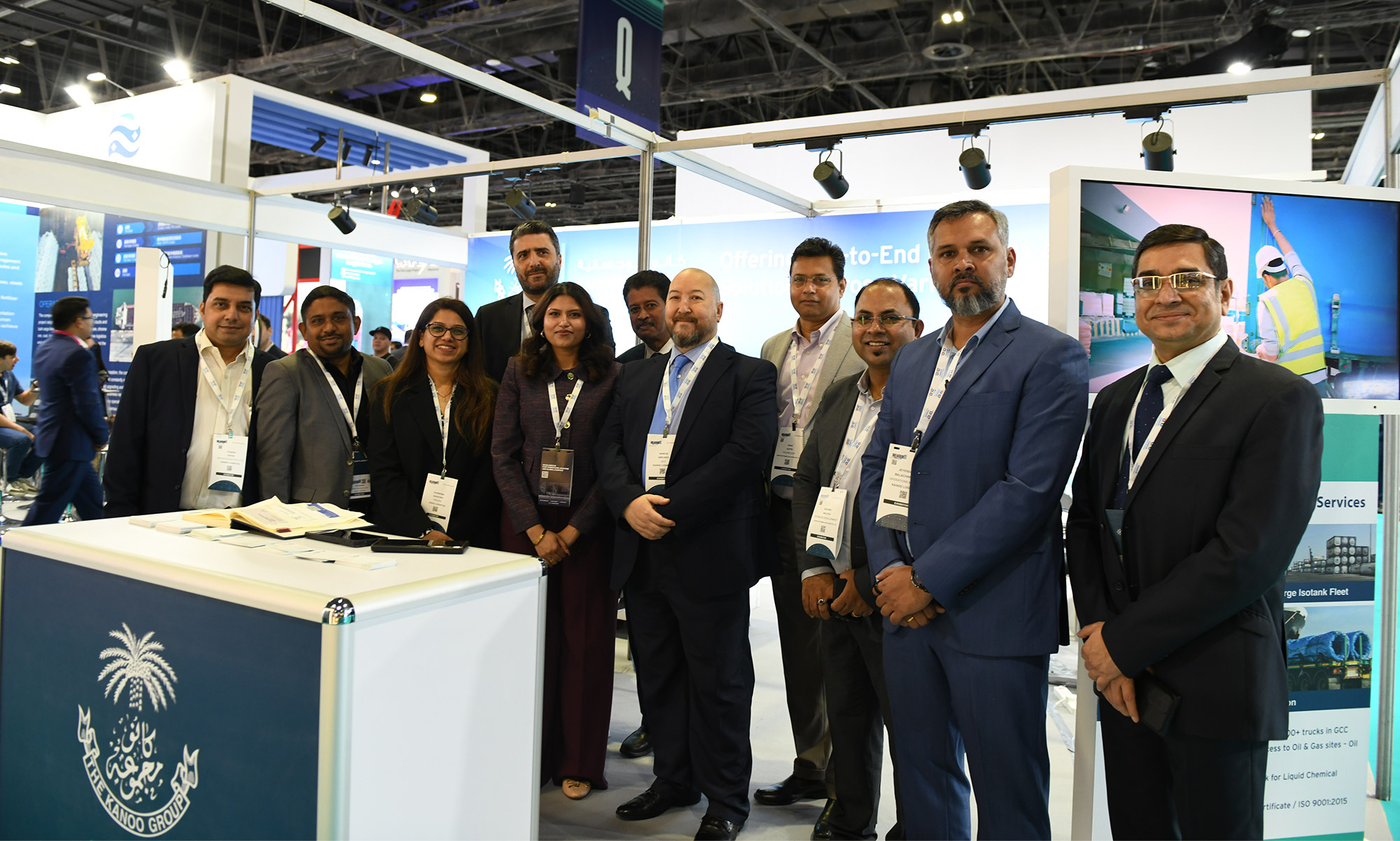
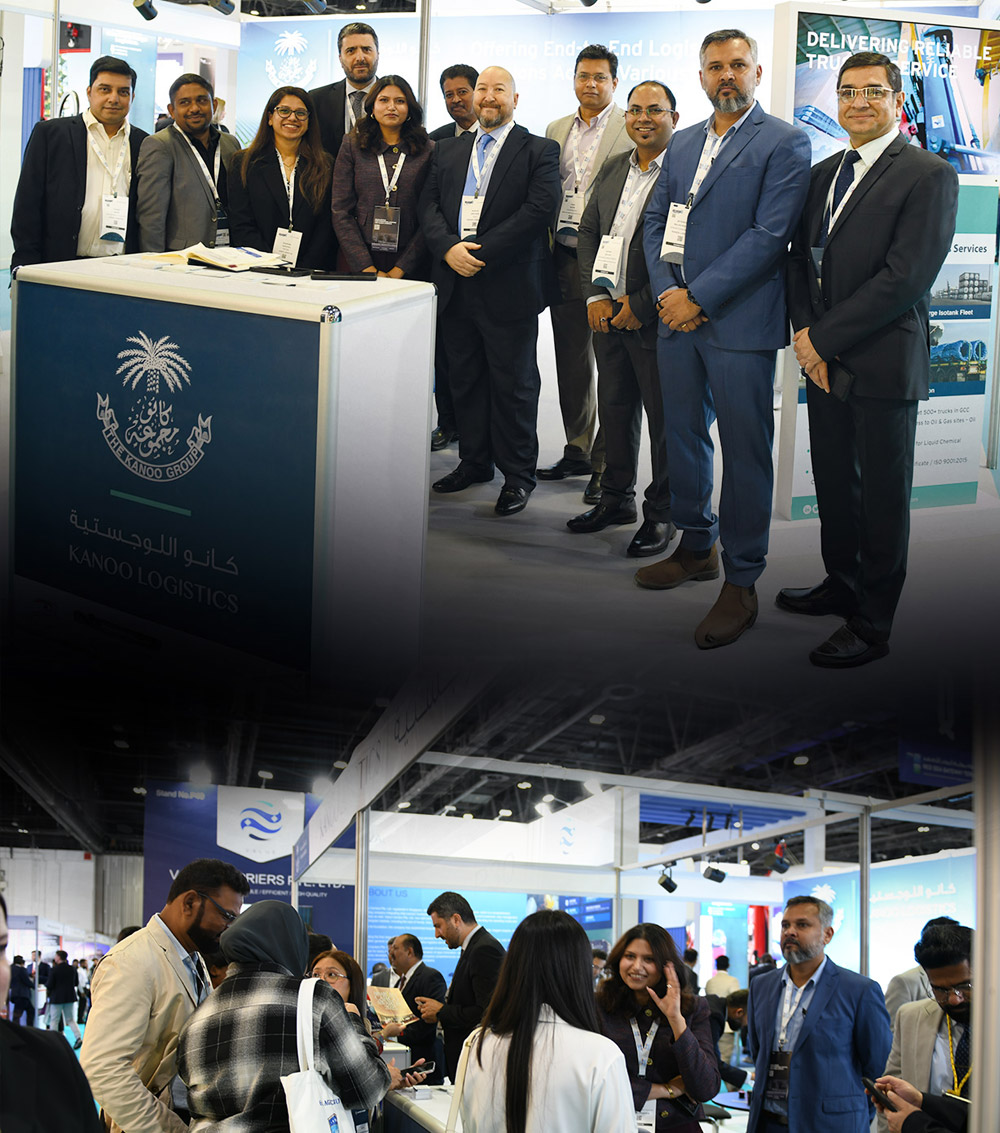
Kanoo Logistics, exhibiting at Stand P30, emerged as a prominent participant, leveraging its five decades of experience and deep regional ties to address the complex challenges facing project cargo specialists across the GCC.
As the Middle East pursues a diverse energy strategy balancing upstream oil investment, LNG expansion, solar mega-projects, and emerging nuclear options, the region's unique energy mix is fundamentally reshaping project cargo flows—particularly across offshore and marine supply chains.
"The energy landscape in the Middle East is undergoing a fundamental transformation," said Anil Kumar K.C., Country Manager for UAE and Oman at Kanoo Logistics. "While oil and gas remain central to our operations, we're seeing significant scaling of renewables and growing traction for nuclear small modular reactors, especially for powering data centers and industrial facilities. This transition is creating new demand patterns for specialized logistics solutions."
The maritime and breakbulk industry faces not merely a technological shift but a leadership transformation. As artificial intelligence reshapes decision-making processes, success increasingly depends on how industry leaders think, collaborate, and adapt to emerging realities.
Governments and industry leaders across the Middle East are accelerating AI adoption through state-backed programs designed to drive efficiency, improve safety, reskill blue-collar workers, and unlock new value in project logistics.
"AI is being integrated across our operations to enhance predictive planning, optimize routing, and improve real-time visibility," explained Fadi Ayoub, Commercial Manager for UAE & Oman at Kanoo Logistics. "This technology allows us to offer our clients more resilient, data-driven solutions while maintaining the personalized service that has defined our approach for over fifty years."
The integration of AI technologies represents a critical competitive advantage as logistics providers navigate increasingly complex supply chains and mounting pressure to deliver reliable, cost-effective solutions.
With ambitions to move 95 million tonnes of freight annually by 2045, rail infrastructure is emerging as the missing link in GCC logistics—promising to reduce port congestion, cut carbon footprints, and reshape cargo movement across the region.
However, the network remains at an early stage, and integration with project cargo and breakbulk logistics is incomplete. Industry discussions at BreakBulk Middle East focused on operational hurdles around financing, interoperability, specialized wagons, and terminal infrastructure.
The potential impact is substantial: effective rail integration could fundamentally alter how heavy equipment, industrial components, and project materials move between ports, industrial zones, and construction sites.
BreakBulk Middle East 2026 provided one of the only venues for direct connections with logistics and procurement decision-makers actively planning major projects across the region. The event attracted project owners, EPCs, freight forwarders, carriers, ports, and terminals at a critical juncture where capital deployment, route selection, and execution capability intersect.
"Events like BreakBulk Middle East are essential for forging the relationships that drive new business in this industry," Kumar emphasized. "Our deep ties with businesses across the region and local governments position us to help clients navigate emerging opportunities and construct effective project plans."
Held under the patronage of the UAE Ministry of Energy and Infrastructure, the event was inaugurated by H.E. Eng. Hessa Al Malek, Advisor to the Minister for Maritime Transport Affairs, who emphasized the UAE's strategic investments in infrastructure, energy, and transport corridors supporting economic growth and regional connectivity.
With governments across the GCC deploying an estimated $110 billion in investment expenditure in 2024—much of it directed toward infrastructure, special economic zones, and logistics-linked connectivity—the region faces mounting pressure to safeguard supply chains against cargo theft risks and operational disruption.
The UAE and Saudi Arabia have emerged as the primary engines of transport and trade transformation, with combined logistics investments accelerating demand for sophisticated project cargo and heavy-lift capabilities.
"As supply chains face increasing disruption from geopolitical tensions and route uncertainties, the ability to offer resilient, multimodal solutions has never been more critical," noted Shehab Mohamad Aljasmi, Chief Commercial Officer for Ports & Terminals at DP World GCC, during conference discussions. He highlighted that Jebel Ali handled more than 5.6 million tonnes of breakbulk in 2025, representing 6% year-on-year growth.
Established over fifty years ago, Kanoo Logistics offers global freight forwarding and end-to-end multimodal supply chain solutions to diverse industries, including manufacturing, petrochemical, automobile, chemical, and FMCG sectors.
The division of The Kanoo Group has built a reputation as a reliable logistics enterprise capable of efficiently moving freight across the globe. With facilities across the GCC—including Saudi Arabia, Bahrain, the UAE (Dubai, Jebel Ali, and Abu Dhabi), Oman, and Qatar—Kanoo Logistics combines regional expertise with global reach.
Core services include:
"Our value proposition centers on understanding the practical realities our clients face," Ayoub explained. "Whether it's navigating complex regulatory environments, managing time-sensitive deliveries for major projects, or providing specialized equipment for challenging cargo, we leverage our extensive network and decades of experience to deliver results."
As the Middle East continues its transformation into a global logistics and trade hub, the challenges and opportunities highlighted at BreakBulk Middle East 2026 will shape industry strategies for years to come.
The convergence of energy transition, technological innovation, infrastructure expansion, and geopolitical complexity demands logistics providers who can navigate uncertainty while delivering reliable, efficient solutions at scale.
For Kanoo Logistics, the event reinforced its position as a key player equipped to support the region's ambitious development agenda—backed by deep local knowledge, proven execution capabilities, and a commitment to innovation that honors its founding principles while embracing the future of logistics.